
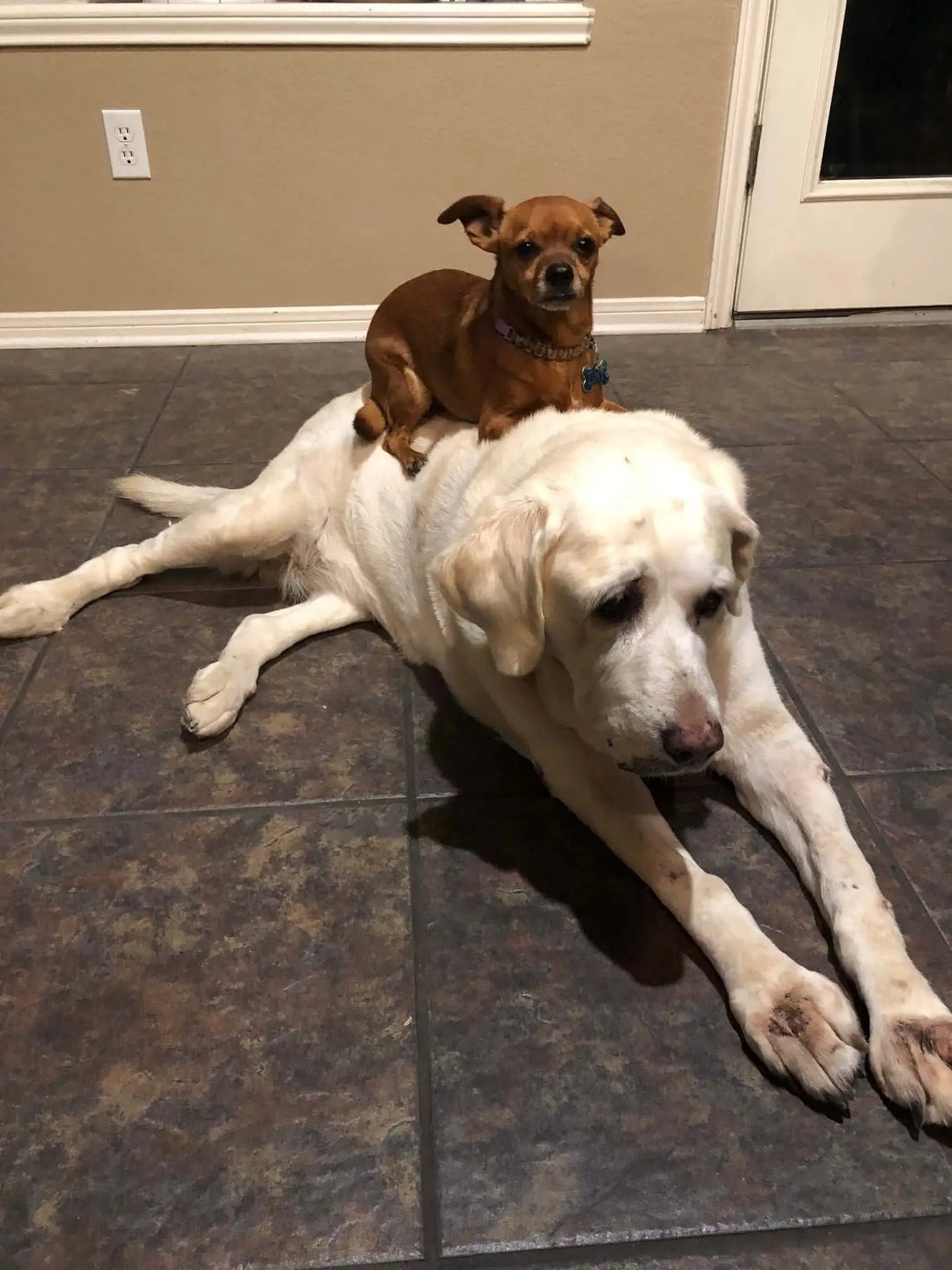
Pet-Friendly Motion Detectors: Reducing False Alarms at Home
Pet-immune motion detectors can reduce false alarms, but “pet immune” does not mean that a detector will ignore every animal in every room. Performance depends on the detector's rating, mounting height, viewing angle, room layout, temperature, furniture, stairs, and the number and behavior of the pets.
A professional design combines correct equipment with proper placement, programming, and testing.
How Pet-Immune Motion Detection Works
Most residential pet-immune motion detectors analyze the size, movement pattern, and location of heat moving through their detection zones. They are designed to ignore a properly sized animal moving near the floor while responding to a person moving through the protected area.
The published pet-weight rating is a design guideline, not a guarantee. A pet that jumps onto furniture, climbs stairs in the detector's view, or moves close to the sensor can appear much larger than it does on the floor.
Stay and Away Arming
Interior motion detectors are commonly bypassed when a system is armed in Stay mode so people and pets can move inside while perimeter doors and windows remain protected. In Away mode, interior motion detectors are normally active.
The actual behavior depends on each zone's programming. Every system should be tested in both Stay and Away modes so the customer understands exactly which devices are active.
Placement Matters More Than the Label
For better pet performance, avoid aiming a motion detector toward:
- Furniture, shelves, or counters that pets can climb
- Stairways where an animal rises through multiple detection zones
- Direct sunlight or rapidly changing heat sources
- Fireplaces, heating vents, or moving curtains
- Areas where a pet can approach very close to the detector
- Unstable mounting surfaces or locations outside the manufacturer's specified height
The detector should be mounted and configured according to the instructions for the exact model. Changing mounting height or tilting the detector can defeat its pet-immune pattern.
Multiple Pets Increase the Risk of False Alarms
Two or more animals moving together can produce a larger heat pattern. Active pets that chase, jump, or climb are also more likely to cross detection zones in a way that resembles human movement.
When the risk is high, perimeter door and window contacts, glass-break detection, or video verification may be better primary protection than relying heavily on interior motion detectors.
How to Test a Motion Detector With Pets
- Place the monitoring account on test with the central station before intentionally activating alarm devices.
- Use the manufacturer's walk-test procedure to confirm the intended detection pattern.
- Remove people from the protected view and observe normal pet movement.
- Test the locations where the pet sleeps, jumps, climbs, or moves quickly.
- Arm the system in Away mode and allow enough time for the exit delay and detector stabilization.
- Review the event history and verify that no unintended alarm was transmitted.
Testing should be repeated after furniture is moved, the detector is repositioned, a new pet is introduced, or false alarms occur.
Alternatives for Homes With Active Pets
- Use door and window contacts as the primary perimeter protection.
- Add glass-break detectors in rooms with accessible windows.
- Use motion detectors only in areas pets cannot enter.
- Add compatible video verification to help confirm activity.
- Create separate arming routines for daytime, nighttime, and away use.
Get the System Designed Around the Home
Avenger Security can inspect an existing security system, test the current motion detectors, review pet activity, adjust programming, and recommend more appropriate devices where needed. We provide professional monitoring without a long-term contract or credit check.
Review professional monitoring options or contact Avenger Security for help reducing false alarms.