Upgrading DSC PowerSeries to PowerSeries Neo: What Changes and What Can Be Reused
Upgrading a legacy DSC PowerSeries panel to DSC PowerSeries Neo can add current communication options, encrypted PowerG wireless devices, and modern monitoring features while preserving much of the dependable hardwired installation already in the property.
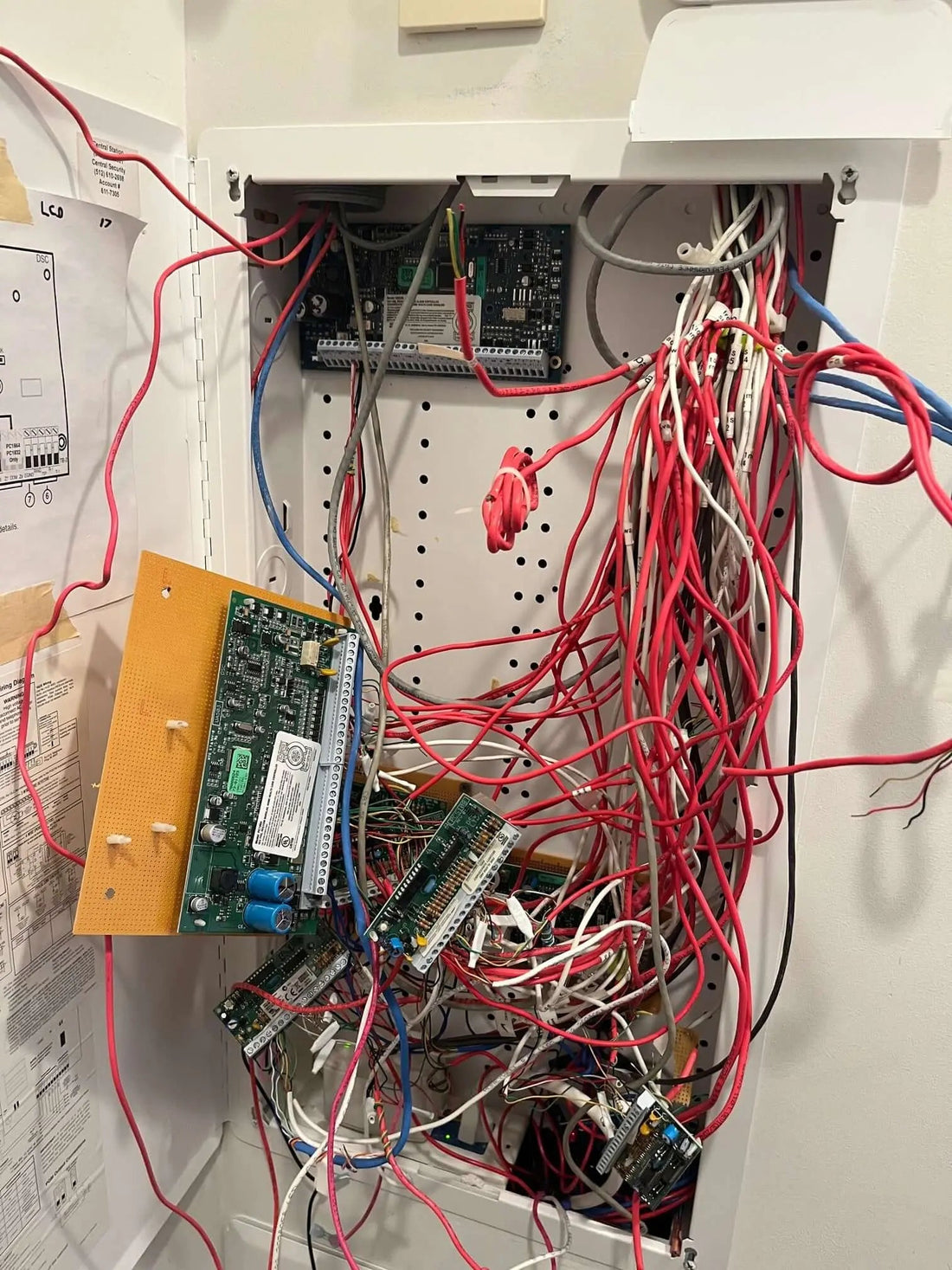
A successful upgrade begins with a complete system inventory. The existing zones, wiring, detectors, siren circuits, power requirements, keypads, expansion modules, and communicator should be documented before anything is disconnected.
What Can Often Be Reused
Many existing hardwired field devices can remain in service after they are individually tested and confirmed compatible. These may include:
- Door and window contacts
- Hardwired motion and glass-break detectors
- Interior sirens and sounders within the new panel's ratings
- Low-voltage alarm cable and properly installed end-of-line resistors
- Selected powered detectors after voltage and current requirements are verified
Reusing serviceable wiring and devices can reduce installation cost without sacrificing reliability. Damaged, intermittent, unsupported, or end-of-life devices should be replaced rather than carried into the new system.
What Usually Requires Replacement or Verification
The PowerSeries Neo platform uses different system architecture and compatibility requirements than older PowerSeries panels. Existing components should never be assumed compatible based only on their appearance.
- Keypads: Legacy PowerSeries keypads generally require replacement with compatible Neo keypads.
- Expansion modules: Zone expanders, relay boards, wireless receivers, and power modules must be checked by exact model.
- Wireless devices: Older wireless sensors may require a compatible receiver or replacement with PowerG devices.
- Communicator: Alarm.com and LTE compatibility depends on the Neo panel, communicator model, firmware, and service configuration.
- Transformer and battery: Power requirements must be calculated for the panel, keypads, modules, and powered field devices.
Document the Existing System Before the Upgrade
Before removing the old control board, photograph and label every conductor. Record the zone number, device description, resistor arrangement, keypad bus wiring, auxiliary power, bell circuit, programmable outputs, grounding, communicator connections, and any shared power supplies.
This documentation makes it easier to identify existing problems and prevents an old wiring fault from being mistaken for a new-panel problem.
Programming and Enrollment
After the new hardware is installed, the system must be programmed around the actual property. This includes zone definitions, partitions, entry and exit delays, user codes, reporting codes, supervision, trouble reporting, communicator settings, and PowerG device enrollment.
Programming locations and compatibility can vary by Neo model, firmware, keypad, and communicator. The current manufacturer documentation for the exact equipment should be followed instead of relying on programming information written for a different revision.
Testing Is Part of the Replacement
An upgrade is not complete until every alarm and trouble condition has been tested. The final test should include:
- Every door, window, motion detector, glass-break detector, and panic device
- Entry and exit delays for each applicable door
- Siren operation and auxiliary-power loading
- AC loss, low battery, tamper, and communication troubles
- All user codes, partitions, schedules, and arming modes
- Alarm, restore, trouble, and supervisory signals received by the central station
- Alarm.com app control and notifications when included
Professional Monitoring and Alarm.com
DSC PowerSeries Neo can support professional monitoring and Alarm.com interactive service when paired with compatible equipment and programming. Available features may include remote arming and disarming, user management, event history, notifications, and automation.
Avenger Security can inspect an existing DSC system, determine which equipment can be reused, replace the control equipment, clean up the wiring, program the system, and establish monitoring without requiring a long-term contract.
Learn more about DSC Neo on Alarm.com or contact Avenger Security for an upgrade evaluation.
Alarm-panel replacement involves life-safety and property-protection equipment. Power, wiring, programming, and central-station testing should be completed by qualified personnel in accordance with the equipment instructions and applicable requirements.