
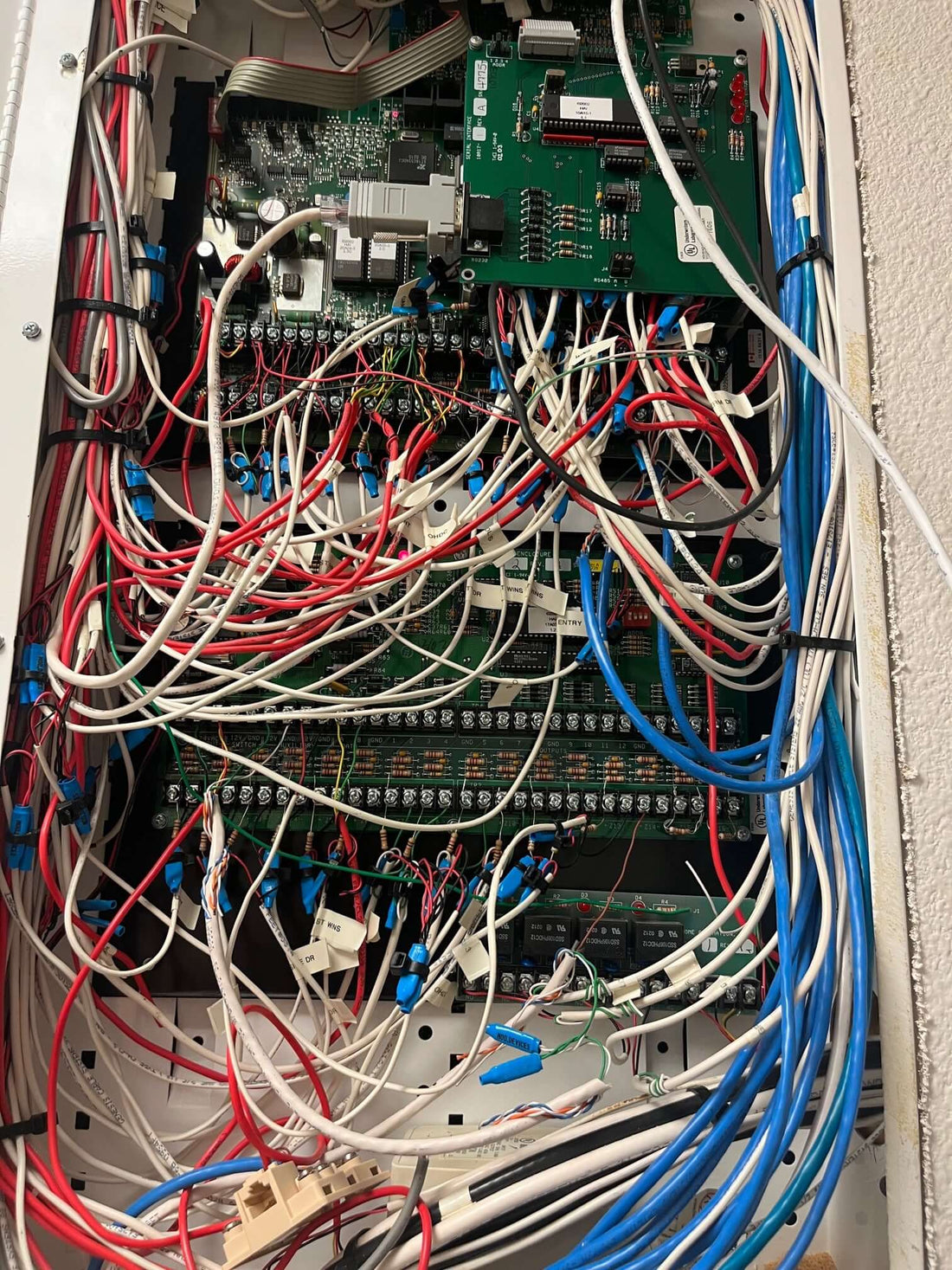
When Should You Replace a Home Security Alarm System?
An older home security alarm system does not automatically need to be replaced. Many professionally installed systems can be repaired, reprogrammed, or upgraded with a modern LTE communicator while continuing to use the existing wiring and sensors.
The right decision depends on the panel's condition, available replacement parts, communication compatibility, and the changes you want to make.

When an Existing Alarm System Can Often Be Kept
Repairing or upgrading may be the best option when:
- The control panel operates reliably and replacement parts remain available.
- The existing hardwired door contacts, motion detectors, sirens, and wiring test properly.
- The system only needs an LTE cellular or dual-path communicator.
- The primary goal is professional monitoring or mobile-app access.
- The panel has enough zones and features for the property.
- The keypads remain functional and understandable for the people using them.
A communicator upgrade can frequently extend the useful life of a professional alarm system without replacing the entire installation.
Signs That Replacement May Be the Better Choice
Consider replacing the control equipment when:
- The panel or keypads fail repeatedly.
- The manufacturer no longer supports the system and serviceable parts are difficult to obtain.
- No compatible LTE communicator is available.
- The system lacks enough zones, user codes, partitions, or integration options.
- Previous modifications left damaged wiring or unreliable programming.
- You need modern encrypted wireless devices that the existing panel cannot support.
- The cost of continued repairs approaches the cost of a dependable replacement.
Existing Hardwired Devices May Still Be Reusable
Replacing the control panel does not necessarily mean replacing every device. Existing hardwired door and window contacts, motion detectors, glass-break detectors, sirens, and cable can often connect to a new professional control panel after testing.
Reusing serviceable wiring and devices can lower project cost while preserving the reliability of a hardwired system. Failed, damaged, incompatible, or end-of-life devices should be replaced individually.
Common Upgrade Paths
Communicator-Only Upgrade
Keep the existing panel and add an LTE or dual-path communicator for professional monitoring. Interactive features depend on panel and communicator compatibility.
Control Board and Keypad Replacement
Replace the outdated panel and keypads while reusing compatible hardwired sensors. A DSC PowerSeries Neo is a common professional option when a property already has usable wiring.
Hybrid Hardwired and Wireless Upgrade
Reuse the hardwired devices and add encrypted PowerG wireless sensors in locations where new cable is impractical.
All-in-One Wireless System
An all-in-one system can be appropriate for an unwired home, a smaller property, or an installation where running cable is not practical. The system should still be selected around device compatibility, serviceability, and long-term operating cost.
What to Send for an Initial System Review
Clear photos can often help identify the equipment before a site visit. Send:
- A photo of each keypad
- A photo of the main control cabinet
- A clear photo of the circuit board and model label
- A photo of the existing cellular or telephone communicator
- A short description of any trouble messages or failed devices
Get a Practical Recommendation
Avenger Security evaluates whether an existing alarm system should be repaired, reprogrammed, upgraded, or replaced. We do not require a long-term monitoring contract or a credit check, and we focus on reusing dependable equipment where it makes sense.
Send us photos of your existing alarm system for an initial review.